Sustainability-Based Investing
We envision a world in which financial investment is universally viewed as a powerful tool for achieving environmental and social benefits while simultaneously earning a competitive return and providing investors with the financial security they need.
Our working group helps individuals, families, organizations and businesses understand how sustainability-based investing plays an important role in creating a livable climate and empowers families to bring their financial investments into alignment with their values.
To join the Working Group, you’ll start with our general volunteer intake form so we can get to know you and help you plug in.
Meet the Working Group Chair
Mike Wood

Mike grew up in upstate New York, where he spent his early childhood playing in the creeks and woods in between fields of corn and cabbage. Later, he spent his time sailing and canoeing on the many lakes of the area and hiking in the Adirondack Mountains. In 1991, Mike moved to Missoula and fell in love with the people and the place. He channeled this love into his studies and earned an MS in Resource Conservation and a JD with an emphasis in Indian and Environmental Law, both from the University of Montana.
After several years of environmental law practice in Missoula, Mike switched paths to head up a fledgling Leadership Development program, located within the UM College of Forestry and Conservation and designed primarily around developing US Forest Service and National Park Service employees. Fascinated by leadership development and its potential for individuals and organizations, Mike earned a PhD in Sustainability Education from Prescott College in 2011. In 2014, he founded High Ridge Leadership, a company he and his wife Raquel continue to own and operate, offering leadership development programs and workshops to organizations across the western US.
Over his three decades of career experiences, Mike has also developed a deep respect for the power and potential of capital investment to impact our natural world and the processes that sustain us and all of life on Earth. Because of this, Mike has increasingly dedicated himself to understanding and sharing values-based investing as a tool for directing the power of capital investment away harmful industries and toward life-affirming industries.
Mike and his wife Raquel live and play in and around Missoula (or wherever they can get outside). He is an avid trail runner, skier, and general outdoor enthusiast who is happy to be volunteering with the wonderful, dedicated folks at Families for a Livable Climate!
Core Resources
What is Sustainability-Based Investing?
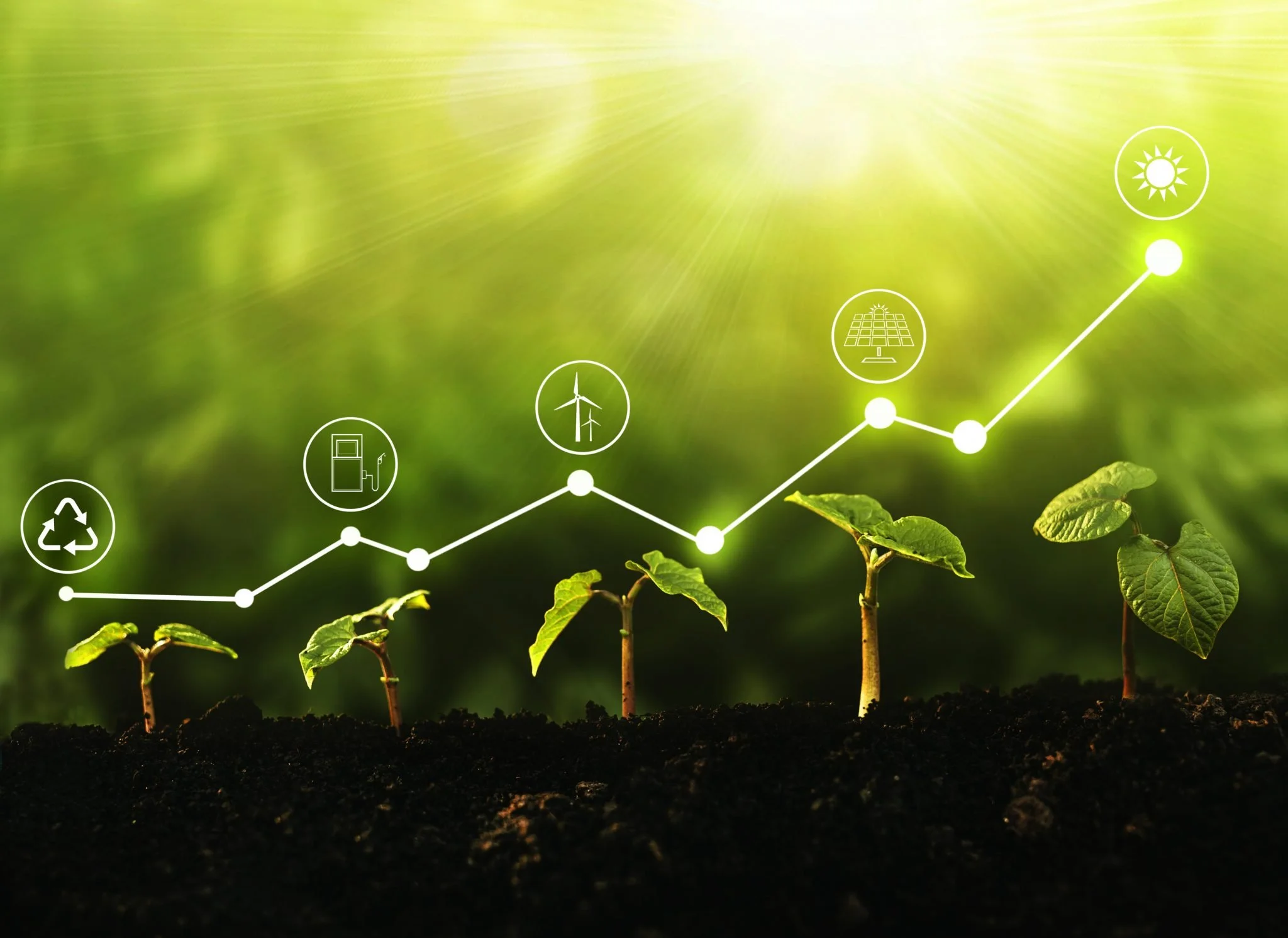
Sustainability-Based investing is investing in companies making a positive contribution to society, avoiding companies that are not, AND earning a competitive long-term return on your investment.
Sustainability-Based Investing Presentation

Key Organizations and Resources
As You Sow
US SIF
Green Portfolio
Third Act, Move Your Money
IEEFA Article: Another bad year – and decade – for fossil fuel stocks
Ceres
Nature Action 100
Sierra Club Sustainable Finance
Resources for Financial Professionals
The Sustainable Investing Roadmap Series: a three-part guide designed for financial advisors, wealth managers, and planners looking to integrate ESG strategies into their practice.

Resources for Banking on Your Values
The world's largest banks are currently funding new fossil fuel development and resource exploitation at an alarming rate. While there is much that we can't control, we do have a say in which banks we use.
Third Act, Banking on Your Values
Global Alliance for Banking on Values
Clearwater Credit Union, Values-Based Banking
Climate First Bank
Bank Green
Sustainability-Based Investing Blog Posts